

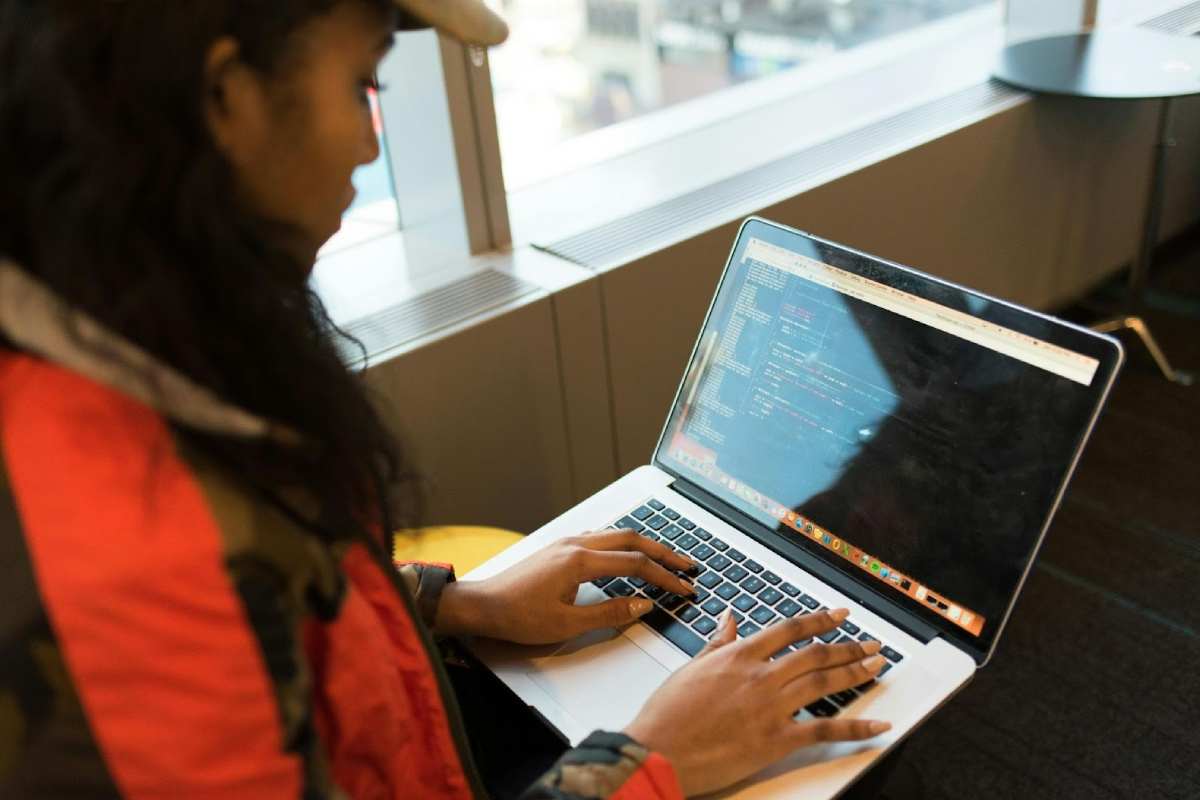
andYou might notice something different in the software world today. The tools are evolving rapidly. The classic image of a programmer, hunched over a silent screen typing every character, is fading. A new, more conversational partnership is emerging.
This exciting shift now has a name: vibe coding. Developers everywhere are beginning to embrace this practice.
Table of Contents
A Fundamental Shift in Process
Forget the notion of writing every single line from scratch. Modern development is no longer just about memorizing endless syntax rules. Vibe coding represents a fundamental change in workflow. It transforms coding into a dynamic dialogue.
A developer starts by simply describing what they need. They use plain, natural language instead of jumping straight to a rigid programming language. They might ask, Create a function that validates an email address and returns a clear error message. And they could request, Write a SQL query that finds our top five customers by lifetime value.
The AI, acting as a co-pilot, then generates the actual structured code. The human provides the strategic vision, the context, and the ultimate direction.
The AI as Your Collaborative Partner
This new method is powered by advanced large language models (LLMs). They function as incredibly knowledgeable, always-available assistants. A developer begins typing a comment or a descriptive function name. The AI instantly suggests complete, relevant code blocks. The programmer then reviews this output. They assess its logic, efficiency, and security.
The next step is crucial: they tweak their original prompt to refine the result or fix an issue. This creates a unique, iterative rhythm. The most tedious parts of coding, like boilerplate setup and standard algorithms, begin to disappear. The developer’s mind is freed to focus on higher-level architecture and logic.
Mastering the New Core Skill: Prompt Crafting
Success in this new paradigm hinges on a freshly essential skill. Effective prompt engineering is now a core competency of modern development. True vibe coding is all about guiding the AI with skillful, clear instructions. You must learn to articulate problems with precision and context. You develop an intuition for asking for changes in the most effective way.
A vague prompt like make this code better yields poor results. A skilled prompt might be: Refactor this API endpoint function to include error handling for network timeouts. Also, add input validation to reject empty user IDs.
This conversation—this iterative refinement of prompts—becomes the primary creative activity. You are not merely executing code; you are directing an intelligent system, curating its output, and synthesizing the final solution.
The Evolving Role of the Developer
This trend is actively reshaping the developer’s role and daily experience. It directly combats the frustrating grind of repetitive, boilerplate code generation. Vibe coding strategically elevates the human to the role of architect, editor, and integrator. Human creativity shifts upstream. You spend more mental energy designing elegant systems and solving novel problems. You think more deeply about the why and the what, not just the how.
A developer’s unique value increasingly lies in their critical judgment, their system design expertise, and their understanding of business goals—not just their raw typing speed or encyclopedic recall of APIs. You integrate and validate the AI’s work, ensuring it fits the larger puzzle perfectly.
Understanding the Limits: A Tool, Not a Crutch
We must be perfectly clear about this approach. It is not a magical, autonomous solution. Vibe coding does not replace the need for deep technical understanding and critical thinking. The developer must still thoroughly read, comprehend, and debug the generated code. These collaborative sessions work best for well-defined, modular tasks.
Teams might use it for generating initial code scaffolds, writing comprehensive unit tests, documenting complex functions, or exploring different algorithmic approaches. It is a powerful force multiplier and a creativity accelerator, not a replacement for foundational engineering skill. The principle of oversight is paramount. The human must always remain firmly in the driver’s seat, with their hands on the wheel.
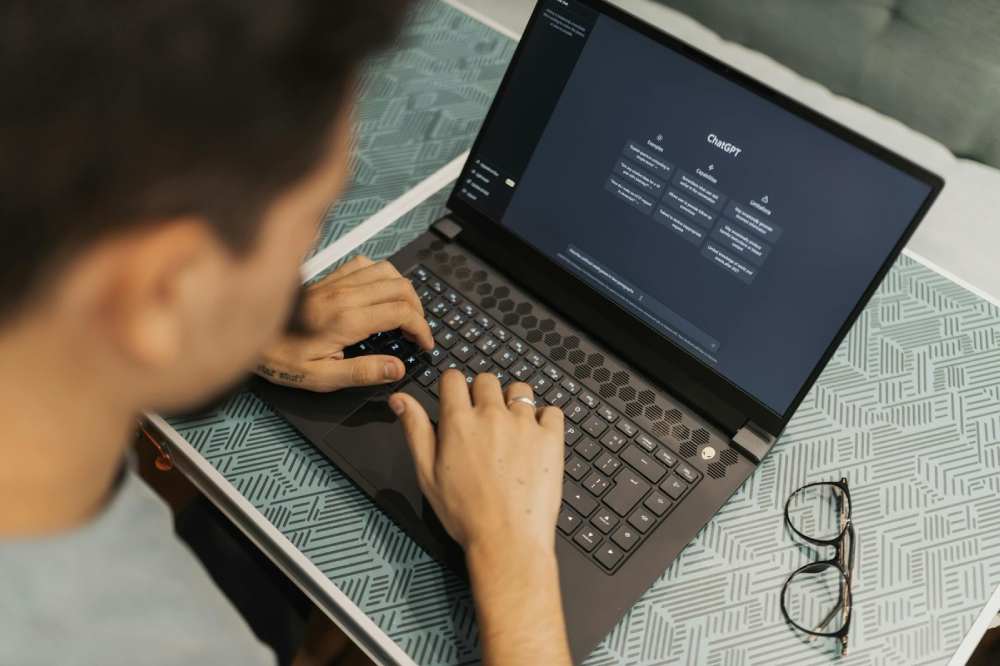
Cultivating an Effective New Workflow
Building a productive vibe coding rhythm requires deliberate practice. It demands a mindset of iterative refinement and patience. Your first prompt will almost never produce flawless, production-ready code. You learn to build solutions collaboratively and step-by-step with the AI. The model might occasionally misunderstand your intent or propose an insecure method. Your job is to calmly clarify, redirect, and provide better context.
This process feels less like issuing rigid commands and more like coaching a talented partner. Forward-thinking teams are now sharing libraries of successful prompt patterns. They develop a shared intuition for the best ways to guide their AI tools toward optimal solutions, turning it into a collective skill.
The Future Is a Conversation
The trajectory of software development is now undeniable. The industry is wholeheartedly embracing this new era of human-AI collaboration. The old stereotype of the solitary, siloed coder is becoming obsolete. Modern problem-solving demands a fluid partnership mindset.
Vibe coding is the leading edge of this evolution. It seamlessly blends human ingenuity, intuition, and oversight with the machine’s scale, speed, and recall. This partnership makes the act of building software more fluid, more conceptual, and often more enjoyable.
The result is accelerated prototyping, the ability to safely explore more solutions, and the reduction of mundane friction. After all, the best products stem from brilliant ideas. Now, with vibe coding, you can start building them by simply articulating your vision and guiding the vibe.
Also Read: How to Know What Speed Internet to Get